
Selling a Home in Ventura County
Sell with a plan, not a guess.
I am a real estate agent and a licensed loan officer, born and raised in Oxnard. I give you a price opinion from recent sales, plan the prep and the marketing, and because I know the loan side, I call each buyer’s lender to confirm their pre-approval before you accept an offer. Answer a few questions and I will send you a price opinion for your home, plus a plan for your timing and your next move.
- No cost to talk
- Price opinion, not a sales pitch
- Hablo español
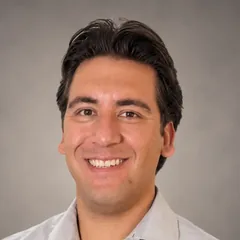
Edgar Limon
REALTOR®, DRE #02225743, Century 21 Masters
Loan officer, NMLS #2256286
Rather talk? Call or text 805.399.4636
Thank you. Your selling plan request is in.
You usually hear back within 2 hours, 8am to 7pm every day. There is no cost and no obligation.
Need an answer sooner? Text me at 805.399.4636.
While you waitPricing your homeCost of sellingPreparing to sell
That did not send. Please try again, or call or text me at 805.399.4636.
Start where you are
Where are you in the process?
Pick the one that sounds like you. Read the guide, or send me your answers and I will plan the next steps with you.
-
Get my selling plan
Curious what it’s worth
You are not sure you are selling yet. You want to know what your home could sell for and what selling would cost.
-
Get my selling plan
Selling to buy your next home
You want to sell this home and buy the next one with the dates lined up. The order you do it in changes your offer, your timing and where you live in between.
-
Get my selling plan
Downsizing or relocating
Moving to a smaller home, or moving out of the area. I plan the sale around your move date.
Downsizing guide Capital gains when you sell Moving on military orders
-
Get my selling plan
Inherited or selling a parent’s home
You are handling a home after a parent passes or moves. I take it one step at a time with you, from the paperwork to the sale.
How I work
How selling a home works with me
Six steps from the first conversation to closing. Here is what you do at each one, and what I do.
Get my selling plan-
Price opinion
You: Walk me through the home, what you have updated and when you want to move.
Me: I pull recent sales of similar homes nearby, the homes for sale now and the ones that did not sell, and give you a price range with my reasons. It is a price opinion, not an appraisal.
-
Prep and small fixes
You: Decide which fixes to make and get the home ready.
Me: I walk the home with you and point out the small fixes worth doing, and the big projects that usually are not.
-
Photos and marketing
You: Sign the listing agreement and approve the photos and description.
Me: You and I agree on the professional photos and the description, which I write in English and Spanish, and I put your home on the MLS, which shares it with the big home sites.
-
Showings
You: Keep the home ready and step out for showings.
Me: I coordinate showings around your schedule and keep you updated on buyer interest.
-
Offers and negotiation
You: Choose the offer and the terms you are comfortable with.
Me: I compare every offer side by side, call each buyer’s lender to confirm the pre-approval, and negotiate price, terms and timing for you. A pre-approval is not a loan commitment, so I also look at the financing terms in each offer.
-
Escrow to close
You: Sign your disclosures, answer repair requests and plan your move.
Me: I track every deadline and contingency, handle the buyer’s inspection and appraisal requests, and work to keep escrow, title and the buyer’s side on schedule through closing.
Marketing
How I market your home
You and I agree on the marketing plan before your home is listed. What a home sells for and how long it takes depend on the market, the price and the home, so I promise the work, not a result.
-
Professional photography
Professional photos of your home, inside and out, for the listing and everywhere it is shown.
-
Drone photos and video
Depending on the home, aerial photos of the home and lot and a video walkthrough for the listing and social media.
-
3D tour and floor plan
Depending on the home, a 3D tour and a floor plan, so buyers can walk through before they visit.
-
The MLS and the big home sites
Your home goes on the MLS, which shares it with Zillow, Redfin, Realtor.com and other home sites, and on my website’s home search.
-
Social media
I promote your home on Facebook and Instagram.
-
Open houses
Open houses when they make sense for your home and your schedule.
-
A for-sale sign
A sign in the yard that points neighbors and drive-by buyers to your listing.
-
In English and in Spanish
I write the description in both languages and answer buyers’ questions in Spanish too.
-
Showings on your schedule
Showings are set around your life, and I keep you updated on buyer interest.
Client reviews
What clients say about working with me
From my Google reviews. Translations and shortened quotes are marked.
Read Esmeralda’s full review Read the original review in Spanish“My experience with Edgar during the purchase process was excellent. This is the second time we've worked with him, and as always, he demonstrated a high level of professionalism, extensive market knowledge, and unwavering commitment at every stage. He was always available to answer my questions and provide clear and timely guidance, which made the process smooth and efficient. …”
Esmeralda
Repeat buyer · Translated by Google from Spanish
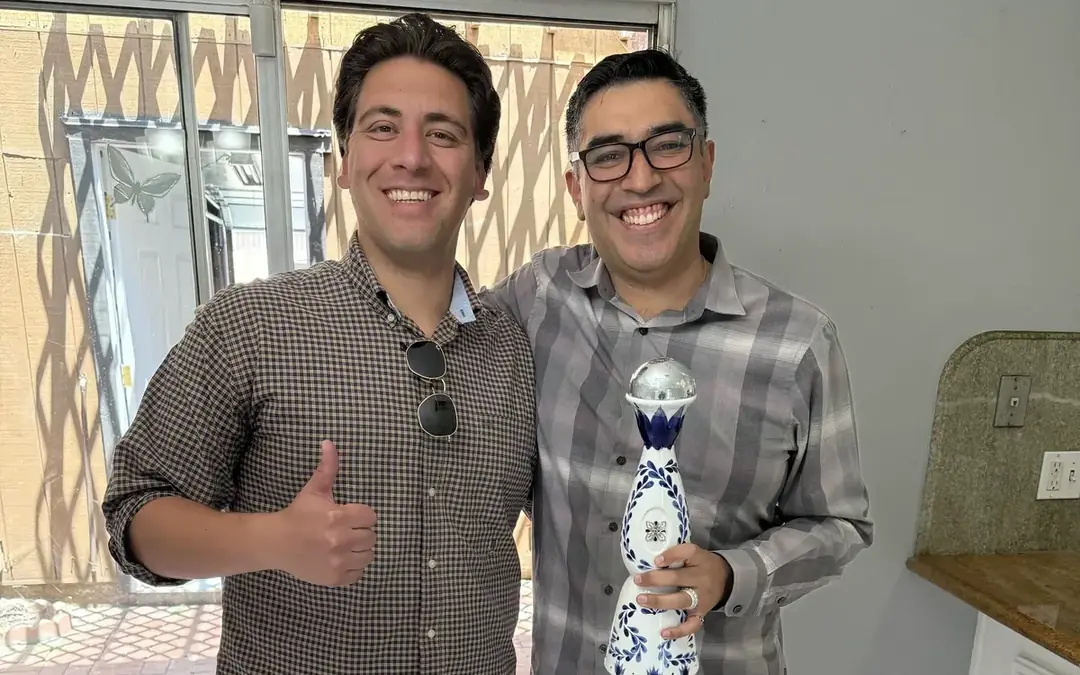
Read Luis’s full review“… I enjoyed his transparency, his patience, and his experience and professionalism were on full display throughout the whole buying process. …”
Luis
First-time buyer · Google review
Seller guides
Every seller guide, in one place
Plain-English guides to each part of selling a home in Ventura County.
Pricing and value
- Pricing your home in Ventura County How a price comes from recent sales.
- Free home valuation A price opinion for your address.
- The cost of selling a home Every cost to plan for.
- Capital gains tax when you sell How the home sale exclusion works.
- Your home did not sell. Now what? Why a listing stalls and what to change.
Prep and marketing
Offers and closing
Special situations
- Selling and buying at the same time Timing the sale and the purchase.
- Downsizing in Ventura County Timing the move to a smaller home.
- Selling a parent’s house or an inherited home Step by step, at your pace.
- Moving on military orders Selling or renting out when you PCS.
- Nurses and medical professionals Selling around shifts and contracts.
Also: Seniors and 55+ Home loans
En español: Vender su casa
Seller questions, answered
1. How much does it cost to sell a home in Ventura County?
The biggest cost is usually the real estate commission. Commissions are not set by law. Each broker sets their own, they are negotiable between you and the broker, and California requires the listing agreement for a home of 1 to 4 units to say so (Business and Professions Code 10147.5). Other costs usually include escrow and title fees, the county documentary transfer tax, the payoff of any loan on the home, property taxes and any HOA dues owed through closing, disclosure reports, and any repairs or credits you agree to with the buyer. Who pays each cost is set in your purchase contract, and some of it follows local custom. Before you list, I estimate your costs so you can see what you could walk away with. The final numbers come from escrow. My guide to the cost of selling goes through each one.
2. Do I have to pay the buyer’s agent?
No, it is not required, and it is negotiable. Since the NAR settlement practice changes of August 17, 2024, offers to pay a buyer’s agent can no longer be posted on the MLS. You can still choose to offer it outside the MLS. A buyer can also ask you, as part of their offer, to pay some or all of their agent’s fee or to give a credit toward their costs, and you can say yes, no or counter. Buyers now sign a written agreement with their own agent that states how that agent is paid, and California law has required one no later than the offer since January 1, 2025. Before you list, you and I decide together whether offering it makes sense for your home. Sources: NAR settlement FAQs and California Civil Code 1670.50.
3. How are you paid when you sell my home?
Through the commission set in your listing agreement. You and I agree on it before you sign, and I explain it in plain terms before you commit to anything. It is usually paid through escrow from your sale proceeds when the sale closes.
4. Is your price opinion the same as an appraisal?
No. What I give you is a comparative market analysis: my opinion of a likely price range, based on recent sales of similar homes nearby, the homes for sale now and the ones that did not sell. It is a price opinion, not an appraisal. Under California law, an opinion of value from a real estate licensee cannot be called an appraisal (Business and Professions Code 11302). An appraisal is done by a licensed appraiser, and if your buyer uses a loan, their lender usually orders one during escrow. You choose the list price. Here is how I price a home.
5. Can I sell my home and buy another one at the same time?
Yes, and the order matters. You can sell first and then buy, buy first and then sell, or line up both closings together, and each choice changes your timing, your offer and where you live in between. Some sellers ask the buyer for time to stay in the home after closing, and some buyers make an offer that depends on their current home selling. I plan the sale and the purchase together so the dates line up. For the loan on your next home, the home loans page covers your options. You are free to choose any lender. My guide to selling and buying at the same time walks through each order.
6. How long does it take to sell a home?
There is no set answer, and no one can promise one. It depends on your price, the home’s condition, your city and price range, and what buyers are doing that month. Getting ready to list often takes a few weeks. Once you accept an offer, escrow often runs about 30 to 45 days, depending on the buyer’s loan and the terms you agree on. The seller’s timeline walks through each stage.
7. What do I have to disclose when I sell a home in California?
You disclose the facts you know that materially affect the home’s value or desirability, such as its physical condition. For most home sales, California requires the Real Estate Transfer Disclosure Statement, a form where you describe the home’s condition and any defects you know about (Civil Code 1102). If the home sits in a mapped flood, fire or earthquake hazard zone, you disclose that on a Natural Hazard Disclosure Statement (Civil Code 1103). The purchase contract usually calls for a Seller Property Questionnaire too, with more detailed questions about the home. A home built before 1978 also gets the federal lead-based paint disclosure, with limited exceptions. Other disclosures can apply depending on where the home is, its age and its features. Leaving out a problem you know about can lead to a claim against you after closing, so if you are unsure whether something matters, disclose it. For a legal question about your disclosures, a real estate attorney is the right person to ask.
8. Can a buyer back out after I accept their offer?
Yes, in some cases. While a contingency in the contract is still open, such as the inspection, appraisal or loan contingency, the buyer can usually cancel under its terms and get their deposit back. Once the buyer removes their contingencies, cancelling gets much harder, and a buyer who cancels without a reason the contract allows can put their deposit at risk. A backup offer can help here: if the first buyer cancels, the backup buyer can step in without you relisting the home.
9. When do I get the money from the sale?
At closing. Escrow closes when the deed is recorded with the county, and escrow then sends your net proceeds by wire or by check. A wire often arrives the same day. What you receive is the sale price minus your loan payoff and your selling costs. If you need that money to close on your next home, tell me early so the two closings can be timed together.
10. Can we do this in Spanish?
Sí, claro. Choose Español on the last step of the selling plan request and I will follow up in Spanish, by call, text or email, whichever you prefer. I also write your listing description in Spanish as well as English and answer buyers’ questions in Spanish.
Your next step
Get your selling plan
Tell me about the home and your timing. I will send you a price opinion and a plan for the prep, the marketing and your next move, in English or Spanish.
No cost to talk, no obligation.
Just want a number first? Get a free home valuation
Licensing and disclosures
Edgar Limon, REALTOR®, CA DRE #02225743, with Century 21 Masters. Each office is independently owned and operated. Mortgage loan originator, NMLS #2256286, with 21st Century Lending, NMLS #241835, a division of Full Realty Services, Inc. Licensed by the Department of Financial Protection and Innovation under the California Residential Mortgage Lending Act and California Financing Law. Loans made or arranged pursuant to a California Financing Law license. Verify licenses at NMLS Consumer Access.
Century 21 Masters and 21st Century Lending are affiliated companies. You are not required to use 21st Century Lending, or any particular lender, as a condition of working with me, and if I act as both your agent and your loan officer, I disclose both roles and how I am paid to you in writing. I am not affiliated with or endorsed by the U.S. Department of Veterans Affairs, HUD, USDA or any government agency.
This page is general information, not a commitment to lend, and not tax or legal advice. All loans are subject to credit approval, eligibility, appraisal and property requirements. Programs can change. Equal Housing Opportunity. Equal Housing Lender.