What Is Escrow? A Seller’s Guide to the Closing Process
When a buyer accepts an offer and a contract is signed, the transaction enters escrow. For many sellers, especially those who have not sold a property in years, escrow is the part of the process that feels most opaque. Documents arrive, requests come in, deadlines pass, and somewhere in the background people are doing things…

When a buyer accepts an offer and a contract is signed, the transaction enters escrow. For many sellers, especially those who have not sold a property in years, escrow is the part of the process that feels most opaque. Documents arrive, requests come in, deadlines pass, and somewhere in the background people are doing things that eventually result in a wire transfer of the sale proceeds. Understanding what escrow actually is, what the escrow company does, and what the seller is responsible for during this period removes most of the uncertainty and helps sellers avoid the mistakes that most commonly cause delays.
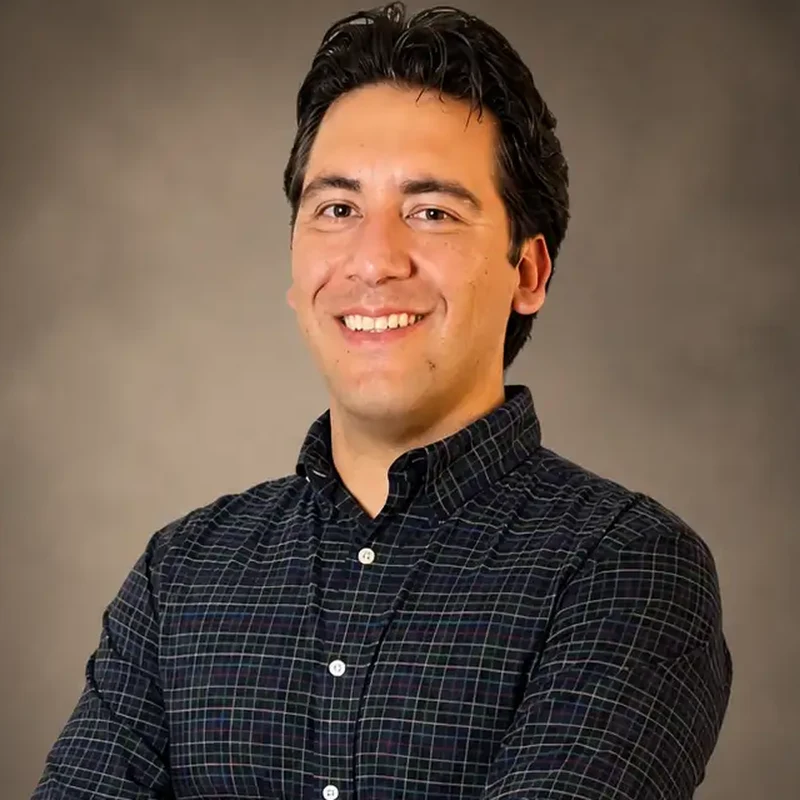
Edgar Limon is a licensed Realtor and mortgage loan officer serving sellers throughout Ventura County. This guide covers the escrow process from the seller’s perspective — what is happening, when it happens, and what the seller needs to do at each stage.
What Is Escrow?
Escrow is a neutral third-party process used in California real estate transactions to manage the exchange of funds and documents between the buyer, seller, and their respective service providers. The escrow company acts as an independent agent for both parties. It holds funds, prepares the closing documents, coordinates the recording of the deed, and ensures all conditions of the purchase contract are satisfied before ownership transfers and money changes hands.
In California, escrow companies manage the closing process rather than real estate attorneys, which is how closings are handled in many other states. The closing in California is not a single gathering of all parties at a table. The buyer signs their documents at one appointment, the seller signs at a separate appointment, and the escrow company coordinates everything behind the scenes until the deed is recorded and funds are disbursed.
Escrow is opened when the purchase contract is signed and accepted by both parties. It closes when the grant deed is recorded with the Ventura County Recorder’s office and the sale proceeds are wired to the seller.
What the Escrow Company Does
The escrow company’s responsibilities in a Ventura County sale include:
- Opening escrow and establishing the escrow file with all contract terms
- Ordering the title search and preliminary title report to confirm the seller’s ownership and identify any recorded liens or encumbrances that must be cleared before closing
- Collecting and holding the buyer’s earnest money deposit in a neutral trust account
- Requesting payoff statements from the seller’s lender and any other lienholders to determine the amounts needed to clear all loans against the property
- Preparing the closing documents including the grant deed, settlement statement, and all required transfer and disclosure forms
- Coordinating the signing appointments for the buyer and seller
- Receiving the buyer’s down payment and loan funds from the lender when the loan is funded
- Instructing the title company to record the grant deed with the county recorder once all conditions are satisfied and all funds are in escrow
- Disbursing the seller’s net proceeds via wire transfer after recording, along with payments to the real estate agents, lender payoffs, and other service providers
The Seller’s Responsibilities During Escrow
Escrow is not a passive period for the seller. Several actions and obligations require the seller’s timely attention throughout the escrow period.
Deliver Seller Disclosures
California law requires sellers to provide extensive written disclosures about the property’s condition, known defects, and material facts. The primary disclosure documents include the Transfer Disclosure Statement, the Seller Property Questionnaire, and the Natural Hazard Disclosure report. These must be delivered to the buyer within the timeframe specified in the purchase contract, typically within a few days of opening escrow if not already prepared. The buyer has a defined period to review and sign the disclosures acknowledging receipt. Sellers who delay the disclosure package delay the buyer’s review clock and risk extension requests or complications near the contingency removal deadline.
Provide Property Access for Inspections and Appraisal
The seller must provide reasonable access to the property for the buyer’s inspections and the lender’s appraisal. Inspections typically occur in the first week of escrow during the inspection contingency period. The appraisal is typically scheduled within the first ten days. The seller should ensure all areas of the property are accessible — including attic, crawl space, garage, and outbuildings — utilities are active so mechanical systems can be tested, and the property is in approximately the same condition it was in when the offer was made. Sellers are typically not present during buyer inspections or the appraisal.
Respond to Inspection Repair Requests
If the buyer submits a repair request based on their inspection findings, the seller must respond within the timeframe specified in the contract or as negotiated. Delays in responding to repair requests push the contingency removal timeline and can extend the overall escrow period. The seller’s options are to complete the repairs, offer a credit in lieu of repairs, offer partial resolution, or decline. For guidance on how to evaluate and respond to repair requests, visit the How to Review an Offer guide.
Clear Any Title Issues
The preliminary title report will identify any recorded liens, judgments, or encumbrances against the property. The seller is responsible for clearing all liens before or at closing. This typically means the escrow company coordinates the payoff of the existing mortgage from the sale proceeds. Other liens — unpaid HOA assessments, mechanic’s liens from contractors, tax liens, or judgments — must also be resolved before title can transfer cleanly. If the preliminary title report reveals a title issue the seller was not aware of, it needs to be addressed promptly to avoid delaying the close of escrow.
Complete Any Agreed Repairs
If the seller agreed to complete specific repairs as part of the inspection negotiation, those repairs must be completed before the final walkthrough, which typically occurs one to five days before closing. The buyer will verify at the final walkthrough that agreed repairs have been completed. Sellers should retain receipts and documentation from any contractors who performed the work as the buyer may request evidence of completion.
Sign Closing Documents and Transfer the Deed
The seller’s closing appointment involves signing the grant deed — the document that transfers ownership from the seller to the buyer — as well as the seller’s settlement statement and any other required documents. The grant deed must be signed in front of a notary. The seller should bring government-issued photo ID matching the name on the deed exactly. Any discrepancy between the ID and the deed name can delay recording.
The seller’s signing appointment typically occurs one to two days before the scheduled close of escrow to allow time for document preparation and delivery to the escrow company before the close date.
Vacate and Deliver the Property
Unless the contract includes a seller rent-back agreement, the seller must vacate the property and deliver it in the agreed condition by the close of escrow date. This means all personal belongings have been removed, the property is clean, and the keys and any access codes or garage door openers have been transferred. The final walkthrough by the buyer verifies that the property is in substantially the same condition as when the offer was made and that all agreed items are in order.
What the Seller Receives at Closing
At the close of escrow the seller receives their net proceeds — the sale price minus all costs of the transaction. These costs include the mortgage payoff, real estate commissions, escrow and title fees, transfer tax, any repair credits agreed to during escrow, and any other items shown on the seller’s settlement statement. The net proceeds are wired to the seller’s bank account on the recording date, which is the day the deed is recorded with the county.
The seller’s settlement statement, sometimes called the HUD-1 or the seller’s closing disclosure, itemizes every credit and debit to the seller’s account. Review this document carefully before signing. It should reflect everything that was agreed in the purchase contract and during the escrow period. Any discrepancy between what was agreed and what appears on the settlement statement should be raised with the escrow officer before signing, not after the transaction closes.
Common Reasons Escrow Gets Delayed From the Seller’s Side
Most escrow delays are preventable. The most common seller-side causes of delay in Ventura County transactions:
- Delayed delivery of the disclosure package — the earlier disclosures are delivered, the earlier the buyer’s review clock starts and the less likely the disclosure review will bump up against the contingency removal deadline
- Slow response to repair requests — repair negotiations that drag on push the contingency removal date and add to the overall escrow timeline
- Title issues discovered during the title search — unpaid liens, HOA assessment arrears, or other encumbrances that the seller did not know existed require time to resolve
- Agreed repairs not completed before the final walkthrough — if repairs are not done by the walkthrough the buyer can delay signing or request a credit to substitute for incomplete work
- Seller unavailability for the signing appointment — the deed must be signed by all vested owners before the close date; a seller who is traveling or unavailable at the scheduled signing can delay recording
- Property not vacated by the close of escrow date when no rent-back was agreed — the seller’s failure to vacate does not necessarily stop the transaction from recording but it creates a legal and logistical problem with the new owner
Frequently Asked Questions: Escrow for Sellers
How long does escrow take when selling a home?
The standard escrow period in a Ventura County transaction is 21 to 30 days from acceptance of the offer to close of escrow. Shorter escrow periods of 14 to 21 days are possible when the buyer has a strong pre-approval, the property is in good condition, and both parties are motivated to close quickly. Longer escrow periods of 30 to 45 days may be requested by buyers who need more time for the loan process, by sellers who need more time to vacate, or by any situation that creates complexity requiring additional time to resolve. The close of escrow date is set in the purchase contract and is a negotiated term.
What happens to the earnest money if the buyer cancels?
If the buyer cancels within an active contingency — during the inspection period, before the loan contingency is removed, or before the appraisal contingency is removed — the earnest money is typically returned to the buyer. If the buyer cancels after all contingencies have been removed, the earnest money may be retained by the seller as liquidated damages. In California residential transactions the standard contract caps liquidated damages at three percent of the purchase price. If there is a dispute over the earnest money, the escrow company holds the funds until both parties agree on the disposition or a court orders its release.
Can I cancel the sale after I accept an offer?
Once a seller accepts an offer and a binding contract is formed, cancellation by the seller is legally complicated and potentially costly. Unlike the buyer who has contingency protections that allow cancellation with earnest money recovery, the seller generally does not have a unilateral right to cancel a binding purchase contract. A seller who cancels without a valid legal basis may be liable to the buyer for damages, including specific performance — a court order requiring the seller to complete the sale. Sellers who have second thoughts after accepting an offer should discuss their situation with a real estate attorney before taking any action.
When do I receive my sale proceeds?
The seller’s net proceeds are wired on the recording date — the day the grant deed is recorded with the Ventura County Recorder’s office. Recording typically happens on the scheduled close of escrow date once the lender has funded the loan and all parties’ signed documents are in the escrow company’s possession. Wire transfers are typically received within a few hours of recording, though the exact timing depends on the bank. Sellers who need proceeds available by a specific date for a new home purchase or another commitment should confirm the recording and wiring timeline with the escrow officer in advance.
Ready for a Smooth Closing?
The escrow period runs most smoothly when the seller is prepared, responsive, and working with an agent who actively manages the transaction timeline rather than waiting for problems to surface. Edgar Limon coordinates the seller’s side of the escrow process as part of every listing, tracking contingency deadlines, following up on repair negotiations, and communicating with the escrow company proactively so the close of escrow date is met without last-minute scrambling.
For a complete overview of the full selling timeline from listing through closing, visit the Seller’s Timeline guide. For a breakdown of the costs that will be deducted from your proceeds at closing, visit the Cost of Selling guide.