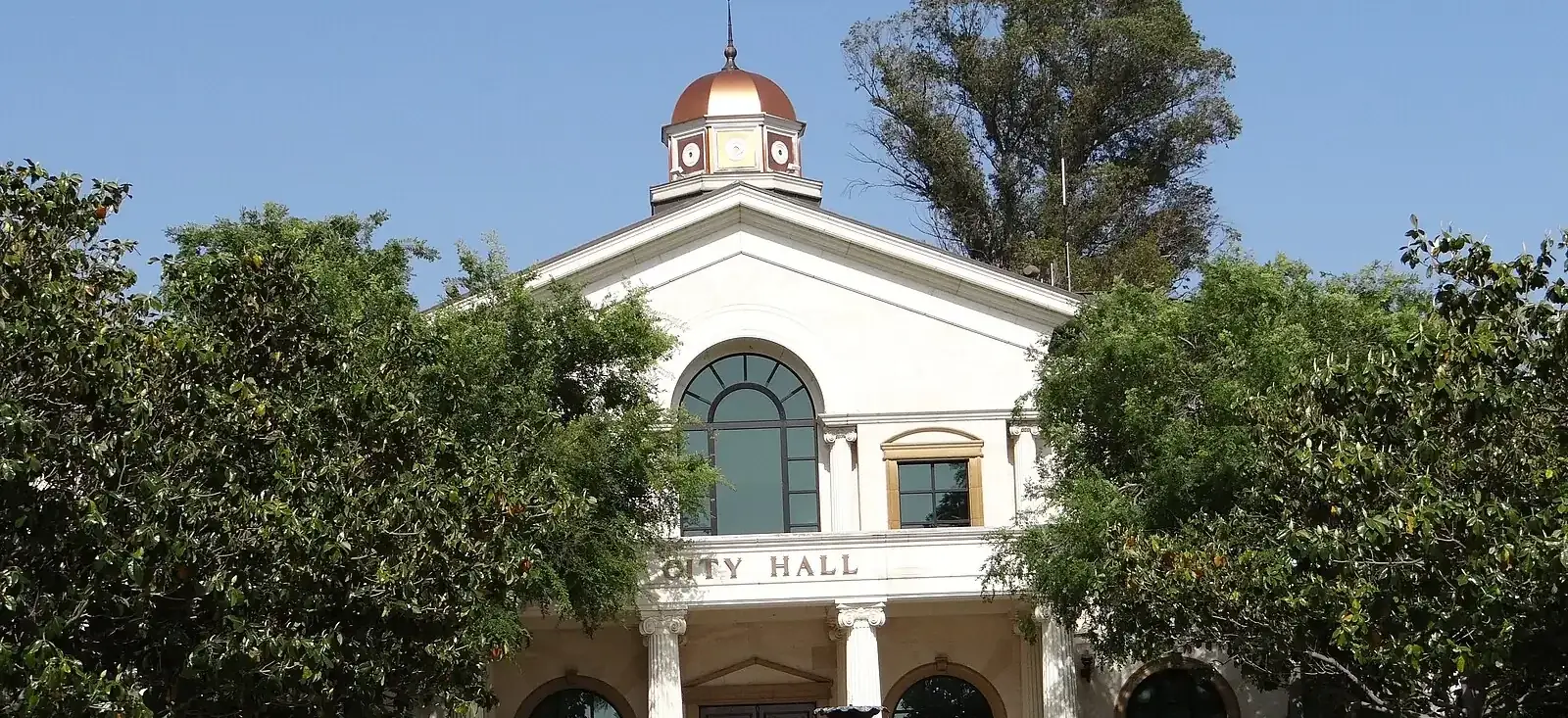
Your Fillmore real estate agent
A local who knows Fillmore.
I’m a Ventura County local who helps people buy and sell homes across Fillmore, from the older blocks near Central Avenue to the newer Heritage Valley streets. I’m a licensed loan officer as well, so one conversation with me covers both the home and the financing.
- Ventura County local
- Real estate agent and licensed loan officer
- Hablo español
Edgar Limon, REALTOR®, DRE #02225743, Century 21 Masters · Loan officer, NMLS #2256286
Put a face to my name with this short hello.
Client reviews
Clients on working with me
Quoted exactly as clients wrote them on Google. Read more client stories
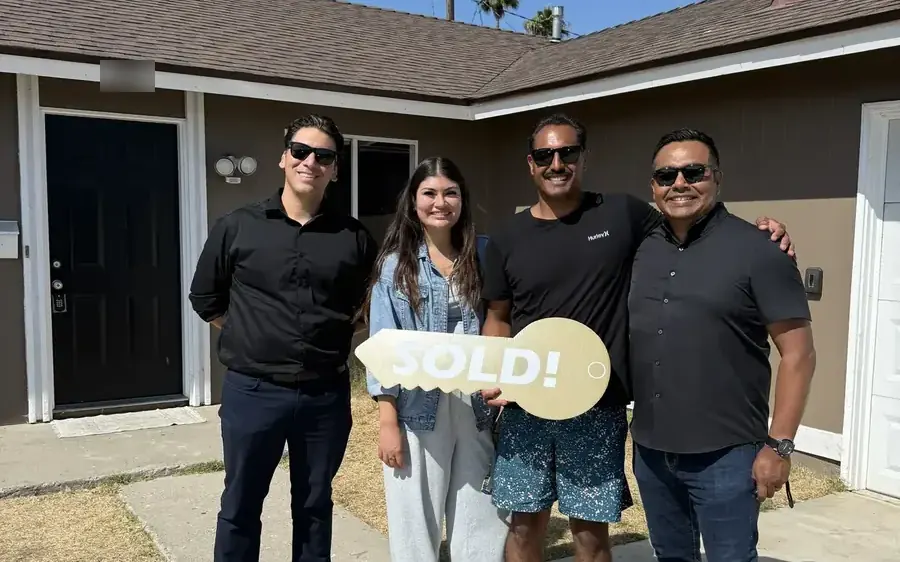
“…They were patient, knowledgeable, and genuinely went above and beyond to make the process as smooth and stress-free as possible… We highly recommend Richard and Edgar to anyone looking to find their home. They truly make you feel like you're in great hands from start to finish!”
Rosemary S.
Google review, shortened
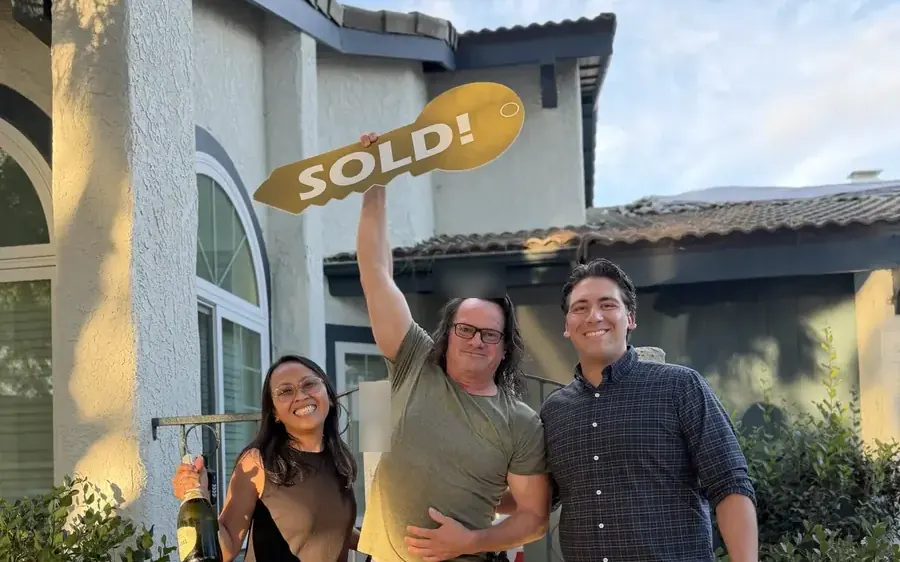
“Firstly, thank you Edgar. People, if you're looking for results, Edgar is your man. He and his team made our dream come true… our first home! Intuitive, knowledgeable, responsive, efficient, effective and caring. All truly amazing qualities you will find hard to decide which takes the lead. Thanks from the heart, Siska and Ryan.”
Ryan D.
Google review
Why work with me
What I bring to your move in Fillmore
A Fillmore real estate agent who can talk through the home, the financing and every form you sign, in Spanish or English.
-
Talk to me about Fillmore
Ventura County is home
I’m a Ventura County local, and my office sits on Victoria Avenue in Ventura. Before your first tour, I lay out how the older homes near downtown, the Heritage Valley streets and the county parcels over in Bardsdale stack up against each other.
-
Talk to me about Fillmore
Loan answers early
My loan officer license means one sitting covers what a Fillmore house could sell for and how a purchase might be financed. Certain loan programs have rules about the property, not just the borrower, and I raise those while you are still deciding on an offer. Pick whichever lender suits you.
-
Talk to me about Fillmore
Hablo español
Counteroffers, seller disclosures and the inspector’s notes read differently in your first language. Tell me whether you want Spanish or English, and that is how I walk you through every page, from the first showing to the last signature.
How I help
How I help in Fillmore
People come to Fillmore for different reasons, and each plan I build weighs three things: the house, the calendar and the financing. That is my job as your Fillmore real estate agent, from the first call to the day you close.
Talk to me about Fillmore-
Buying a home in Fillmore
First I ask what the next home has to do for you and which part of Fillmore has homes like that. New matches then land in your inbox as alerts, tours happen in person or by video call, and before you bid I gather the sales that compare most closely to that particular house.
-
Selling a home in Fillmore
Your price opinion comes from sales of homes like yours, inside town or out in Bardsdale, and it is not an appraisal. Older houses tend to raise repair questions, so I help you decide what is worth fixing before the sign goes up. You choose the week to list, and the plan follows that date.
-
The loan side
Early on, before any showings, I can explain which loan options might suit your situation. After that, my lending team at 21st Century Lending can take it from there, or I coordinate with a lender you found on your own. Either way, you make the call.
How much is your Fillmore home worth?
Get a free home valuation and see what homes like yours are selling for in Fillmore.
Thank you. Your request is in.
I may reach out within the hour or so with a few more questions, so I can give you the most accurate number. Keep an eye out for my text or call 🙂
That did not send. Please try again, or text me at 805.399.4636.
A price opinion from recent sales, not an appraisal.
Homes for sale
New Fillmore listings
The newest homes on the market in Fillmore, from the MLS through my home search. Swipe for more.
See all Fillmore homes for sale Tour one with me
This information is for your personal, non-commercial use and may not be used for any purpose other than to identify prospective properties you may be interested in purchasing. The display of MLS data is usually deemed reliable but is NOT guaranteed accurate by the MLS. Buyers are responsible for verifying the accuracy of all information and should investigate the data themselves or retain appropriate professionals. Information from sources other than the Listing Agent may have been included in the MLS data. Unless otherwise specified in writing, the Broker/Agent has not and will not verify any information obtained from other sources. The Broker/Agent providing the information contained herein may or may not have been the Listing and/or Selling Agent.
Neighborhoods and searches
Explore Fillmore
Fillmore is a small city in the Santa Clara River Valley, ringed by citrus orchards and farmland. Homes run from the older blocks near downtown to newer streets at the edges of town, with Bardsdale across the river. Every card links to live searches for that part of the area.
ZIP 93015
Downtown and Central Avenue
Older houses on the streets around Central Avenue, a short walk from the downtown storefronts, City Hall and Central Park Plaza. Antique train cars on the tracks through downtown are part of the view.
ZIP 93015
Heritage Valley
Newer streets on the southeast side of town, laid out under the city’s Heritage Valley Parks specific plan, around Rio Vista Park on Heritage Valley Parkway. Newly built homes show up in the search below when they are listed.
ZIP 93015
Bardsdale
Across the Santa Clara River, south of town and outside city limits in unincorporated Ventura County, with homes set among the orchards. Utilities, permits and tax rates work differently out here, so ask about them early.
ZIP 93015
Named tracts
Brookhaven, Carriage Place, Country Faire, Deerfield and other named tracts each have their own home search. If you already know the tract you want, start there, and I can set up alerts that cover it.
ZIP 93015
Condos, townhomes and manufactured homes
Want something other than a detached house? These searches show the condos, townhomes and manufactured homes listed in Fillmore right now, and new ones can reach you as alerts.
Popular Fillmore searches
Neighborhoods
Before you buy
Before you make an offer, check the address
The county, the city, the state and FEMA each keep a lookup for this. Run every Fillmore address you are serious about through them.
-
Property tax rate
For FY 2025-26, tax rate areas inside the City of Fillmore carry 1.1473% to 1.1735% of assessed value. That covers the 1% general levy and voter-approved bond debt, and all but one of the city’s tax rate areas add a United Water Conservation District charge. Bardsdale and other county areas have separate rates.
Look up a tax bill (Ventura County Treasurer-Tax Collector) Fillmore tax rate book, FY 2025-26 (Auditor-Controller) County tax rates (Auditor-Controller)
-
Assessments on the bill
A parcel may also owe direct assessments, which change from one property to the next. Go through every line of the bill for the address you want, and use the county’s annual levy list to decode any charge you do not recognize.
-
Flood zone
Sespe Creek and the Santa Clara River both run close to town. Type any address into FEMA’s Flood Map Service Center and it shows the flood zone mapped there.
-
Fire hazard severity zone
In Fillmore, the City Council adopted CAL FIRE’s new hazard zone map on May 13, 2025, and it has applied since July 1, 2025. In the state responsibility areas outside the city, CAL FIRE’s updated maps have applied since April 1, 2024. Find the zone for the specific parcel before an offer goes in.
City of Fillmore fire hazard severity zone maps Ventura County Fire Department map update
-
Earthquake and landslide zones
Fault zones, liquefaction and landslide areas are all mapped by the California Geological Survey. It is a quick search, and worth doing for any home close to the hillsides or a creek bed.
-
City water and sewer
Inside city limits, water and sewer service comes from the City of Fillmore, which bills monthly and asks new customers for a deposit. Open the account before you move in. Outside the city, ask the seller who supplies the water.
Source for the rates: the Ventura County Auditor-Controller's FY 2025-26 Tax Rate Book, Fillmore tax rate areas 01001 to 01999. The parcel's own bill is the final word. Hazard and utility links go straight to each agency. General information only, not tax or legal advice.
Fillmore home buying and selling questions
1. How do the parts of Fillmore differ?
Mostly by the age of the homes and whether the address sits inside the city. The blocks around Central Avenue hold many of the older houses, Heritage Valley has newer streets, and Bardsdale sits across the Santa Clara River in the county. Named tracts such as Brookhaven and Carriage Place have their own searches. The area cards link to each one.
2. Is every home with a Fillmore address inside city limits?
No. Bardsdale and other county areas share the Fillmore mailing address but are unincorporated. Out there, the tax rate area is different, building and planning permits go through the County of Ventura instead of the city, and city water and sewer may not reach the property. The tax bill shows which side of the line a parcel is on.
3. Can I add an ADU to a Fillmore home?
Often, yes. Inside city limits, Fillmore allows ADUs and junior ADUs on residential lots, approves them through a staff review rather than a public hearing, and asks that the design match the main house. Size and setback rules apply, so read the city’s ADU page before you count on one.
4. What is the drive like from Fillmore?
Highway 126 is the main route, and inside Fillmore it runs as Ventura Street. Heading west, it passes Santa Paula and joins the 101 in Ventura. Heading east, it reaches Interstate 5 near Castaic. Travel times change a lot with the hour, so try the drive at the times you would really make it before you commit.
5. Can you help with the loan side as well?
Yes. I carry a loan officer license on top of my real estate license, so the financing conversation can start the same week your Fillmore search does, and my lending team at 21st Century Lending can handle the loan itself. You are never required to use them. When I serve as your agent and your loan officer at once, you get both roles disclosed in writing. Details are on my Ventura County home loans page.
6. What is my Fillmore home worth?
The starting point is what comparable homes close by sold for lately. From there, the home’s condition and whatever else is for sale at the moment push the number up or down. Fillmore is small, so good matches can be few, and I show you each sale I relied on and why. This price opinion is not an appraisal. Request yours through my free home valuation page.
Explore Ventura County
Looking beyond Fillmore?
Pick a city to see how I help there, the neighborhoods people ask about and the homes on the market. I work the whole county, from the beach cities to the inland valleys.
 Ventura
 Oxnard
 Camarillo
 Port Hueneme
 Somis
Somis
 Moorpark
 Simi Valley
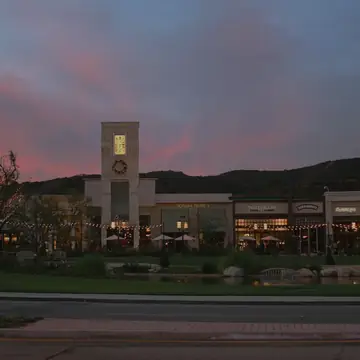 Thousand Oaks
 Newbury Park
 Oak Park
 Westlake Village
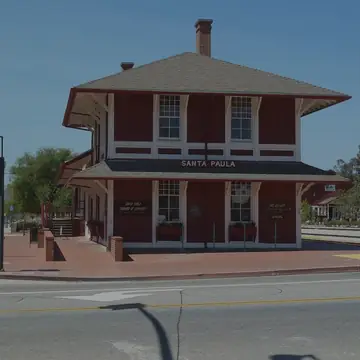 Santa Paula
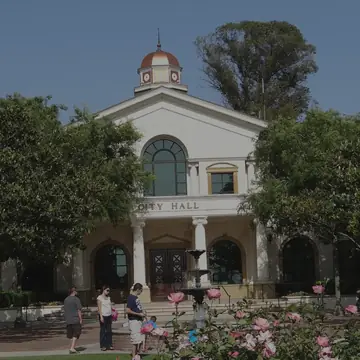 Fillmore
 Piru
Piru
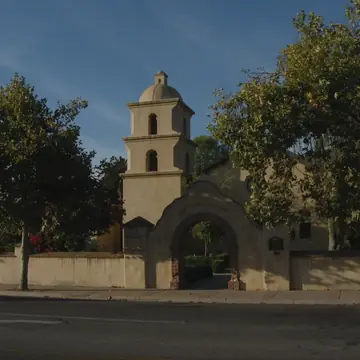 Ojai
Ojai
Your next step
Planning a move in Fillmore?
Maybe it is a house near Central Avenue, one of the newer streets, or selling a place you have owned for years. Book a call, tell me where things stand, and I will lay out a straight plan. As your Fillmore real estate agent, I can answer the loan questions during that same call.
What is my home worth? · Search Fillmore homes · Get a loan quote
Licensing and disclosures
Edgar Limon, REALTOR®, CA DRE #02225743, with Century 21 Masters. Each office is independently owned and operated. Mortgage loan originator, NMLS #2256286, with 21st Century Lending, NMLS #241835, a division of Full Realty Services, Inc. Licensed by the Department of Financial Protection and Innovation under the California Residential Mortgage Lending Act and California Financing Law. Loans made or arranged pursuant to a California Financing Law license. Verify licenses at NMLS Consumer Access.
Century 21 Masters and 21st Century Lending are affiliated companies. You are not required to use 21st Century Lending, or any particular lender, as a condition of working with me, and if I act as both your agent and your loan officer, I disclose both roles and how I am paid to you in writing. I am not affiliated with or endorsed by the U.S. Department of Veterans Affairs, HUD, USDA or any government agency.
This page is general information, not a commitment to lend, and not tax or legal advice. All loans are subject to credit approval, eligibility, appraisal and property requirements. Programs can change. Equal Housing Opportunity. Equal Housing Lender.