
Down Payment Assistance in California
The down payment is the single largest upfront barrier to homeownership for most California buyers. Qualifying for a mortgage is one problem. Having enough saved for a down payment on top of closing costs, moving costs, and the reserves a lender requires is a separate and often harder problem. For buyers who have the income to support a monthly mortgage payment but have not yet accumulated a large down payment, California offers a range of assistance programs that can help close that gap.
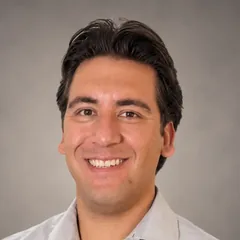
Edgar Limon is a licensed real estate agent and mortgage loan officer serving buyers throughout Ventura County. Understanding which programs you qualify for, how they interact with your primary financing, and what the real costs and tradeoffs are is part of the conversation he has with buyers from the very beginning of the process. This guide covers the major programs available to Ventura County buyers, how they work, and what to know before counting on any of them.
The Most Important Thing to Understand About These Programs
Down payment assistance programs in California change frequently and without warning. Income limits are adjusted. Purchase price caps are updated when home values change. Funding pools are exhausted and programs are paused until new funding is appropriated. Some programs have been discontinued entirely. Others have been restructured so significantly that information published even six months ago may describe a program that no longer exists in that form.
The California Dream For All shared appreciation program, for example, experienced significant changes after its initial launch due to the speed at which funding was claimed. Programs administered by local housing authorities vary by city and county and are subject to their own funding cycles and policy changes.
This guide describes the major programs and how they generally work. Before making any financial plan that depends on a specific program, verify the current terms, availability, and your specific eligibility with a CalHFA-approved lender. Edgar can confirm current program availability as part of the initial financing conversation.
How Down Payment Assistance Programs Work
Most California down payment assistance programs work as a second loan layered on top of a primary first mortgage. The structure is typically one of three types:
Deferred Payment Junior Loan
The most common structure. The assistance is provided as a second loan, and repayment is deferred. The balance becomes due when you sell the home, refinance, pay off the first mortgage, or no longer occupy the property as your primary residence. Because repayment is deferred, the assistance does not add to your monthly housing cost. The deferred balance is repaid from the proceeds when you eventually sell or refinance.
Shared Appreciation Loan
A variation on the deferred structure where the lender provides a portion of the purchase price in exchange for a share of the property’s appreciation when you sell. The California Dream For All program uses this model. Instead of repaying just the original assistance amount, you repay the original amount plus a percentage of the home’s increase in value during your ownership. This structure preserves monthly cash flow but shares future equity with the program provider.
Forgivable Loan
Some programs structure the assistance as a loan that is forgiven over time if the buyer meets the program’s occupancy and ownership requirements. If the buyer remains in the home as a primary residence for the required period, typically three to five years for most programs, the balance is forgiven and no repayment is required. If the buyer sells or refinances before the forgiveness period ends, the remaining unforgiven balance becomes due.
CalHFA Programs
The California Housing Finance Agency is the primary state-level provider of down payment assistance for California home buyers. CalHFA programs are offered through a network of approved lenders and cannot be accessed directly through CalHFA itself. All CalHFA loans must be originated through a CalHFA-approved lender.
MyHome Assistance Program
The MyHome Assistance Program is CalHFA’s primary down payment and closing cost assistance offering. It provides a deferred-payment junior loan for a percentage of the purchase price or appraised value, whichever is less, to help cover the down payment and closing costs on a CalHFA-financed first mortgage. Repayment of the junior loan is deferred until the property is sold, refinanced, or no longer the buyer’s primary residence.
MyHome pairs with CalHFA’s conventional and FHA first mortgage products. It is subject to income limits that vary by county and household size, and the purchase must fall within CalHFA’s purchase price limits. Ventura County’s income and price limits are set based on the area’s median income and are updated periodically. Verify current limits at calhfa.ca.gov before making plans based on this program.
California Dream For All
The California Dream For All Shared Appreciation Loan provides a share of the purchase price as a deferred loan, up to the maximum set by the program’s current terms. When the buyer eventually sells or refinances, they repay the original loan amount plus a percentage of the home’s appreciation. The program is designed to help buyers make a meaningful down payment without the long savings timeline a large down payment typically requires.
California Dream For All has experienced significant changes since its initial launch. The program’s initial funding round was claimed within days due to overwhelming demand, and subsequent rounds have used lottery-based access systems to manage the application volume. The program’s current status, funding availability, and access method should be verified at calhfa.ca.gov before any buyer incorporates it into a purchase plan. It is one of the most beneficial programs available when funding is accessible but it cannot be counted on as a guaranteed resource without confirming current availability.
CalHFA Conventional and FHA First Mortgages
CalHFA also offers its own first mortgage products, a conventional first mortgage and an FHA first mortgage, specifically designed to pair with their assistance programs. These first mortgages must be used in combination with CalHFA’s junior loan products to access the down payment assistance. Buyers who want to pair an assistance program with a non-CalHFA first mortgage should verify whether the specific assistance program allows that combination, as most CalHFA junior loans are designed to work with CalHFA first mortgages specifically.
General Eligibility Requirements
Most CalHFA programs share a set of general eligibility requirements, though the specific details vary by program and are subject to change. The following reflects the general framework rather than current program-specific details, which should be verified directly.
- First-time homebuyer requirement applies to most programs, defined as not having owned and occupied a primary residence in the past three years (per CalHFA). Some programs exempt buyers in certain federally designated targeted areas from this requirement.
- Income limits apply and are set based on the county’s area median income and household size. Ventura County’s limits reflect the county’s higher cost of living and are above the national CalHFA baseline in many cases.
- Purchase price limits apply and cap the maximum purchase price eligible for assistance. Limits are set by county and updated periodically.
- The property must be the buyer’s primary residence. Investment properties and second homes do not qualify.
- Homebuyer education is required for most programs. Buyers must complete an approved homebuyer education course before the loan closes.
- The loan must be originated through a CalHFA-approved lender. Not all lenders are approved and buyers should confirm their lender’s participation status.
Down Payment Assistance in the Ventura County Context
Down payment assistance programs are most relevant in Ventura County’s more accessible markets where purchase prices fall within the program limits. In cities like Fillmore, Santa Paula, and parts of Oxnard, where prices are more accessible and buyers are more likely to meet income limit requirements, these programs can make a material difference in whether a purchase is feasible.
In Camarillo and similar mid-range markets, eligibility depends more heavily on household size and income. Buyers who are dual-income households at or near the income limit may find they are priced out of the program even if the purchase price would otherwise qualify. Buyers who are single-income households or who have lower incomes relative to the county median may find the programs apply cleanly.
In the county’s premium markets, such as Thousand Oaks, Ojai, Westlake Village and Oak Park, purchase prices typically exceed CalHFA program limits and assistance programs are generally not applicable. Buyers in these markets need to approach the down payment requirement through conventional savings, gift funds, or other sources.
Frequently Asked Questions: Down Payment Assistance in California
Do I have to be a first-time buyer to use down payment assistance in California?
Most CalHFA programs define first-time buyer as someone who has not owned and occupied a primary residence in the past three years. This means buyers who owned a home previously but have been renting for more than three years may qualify as first-time buyers under the program definition. Some programs also have exceptions for buyers purchasing in federally designated targeted areas. If you previously owned a home and sold it, confirm your specific eligibility with a CalHFA-approved lender rather than assuming you do or do not qualify.
How much assistance can I get?
The amount varies by program, current funding availability, and your specific situation. CalHFA’s MyHome program provides a percentage of the purchase price or appraised value for down payment and closing cost assistance. The California Dream For All program provides a share of the purchase price, set by its current terms. The specific amount you qualify for depends on the program’s current terms, your income, the purchase price, and the primary loan you are using. Because these details change, verify current amounts with a CalHFA-approved lender rather than relying on published figures that may be outdated.
Does using down payment assistance mean I will have a higher monthly payment?
For deferred payment junior loan structures, no. Because repayment of the assistance is deferred until you sell or refinance, it does not increase your monthly housing cost. Your monthly payment is based only on the primary first mortgage. The assistance does increase your total debt at closing, which can affect your debt-to-income ratio calculation, so it is worth discussing the full structure with your lender to understand how the assistance interacts with your overall qualification profile.
What happens to the assistance loan when I sell my home?
For most deferred payment programs, the original assistance amount is repaid from the proceeds of the sale at closing, similar to how the first mortgage balance is paid off. For shared appreciation programs like California Dream For All, you repay the original amount plus the program’s share of any appreciation the home experienced during your ownership. The terms of repayment are defined in the loan documents you sign at closing and should be reviewed carefully before committing to any program.
Can I use down payment assistance with a VA loan?
VA loans already give eligible buyers with full entitlement one of the lowest down payment requirements of any program, so the primary purpose of down payment assistance, covering the down payment, is less relevant for most VA buyers. However, some assistance programs can be used to cover closing costs on a VA purchase, which can reduce the out-of-pocket cash needed at closing. If you are eligible for VA financing, discuss with a VA-approved lender whether any closing cost assistance programs are available and appropriate for your situation before pursuing a combined structure.
How do I apply for down payment assistance in California?
CalHFA programs are not applied for directly through CalHFA. They are originated through CalHFA-approved lenders as part of the mortgage application process. The first step is working with a CalHFA-approved lender who can confirm which programs you qualify for, verify current availability, and structure the primary loan and assistance together. Edgar can walk through current program availability and your specific eligibility as part of the initial financing conversation.
Ready to Find Out If You Qualify?
The most direct path to understanding whether down payment assistance applies to your situation is a conversation with a CalHFA-approved lender who can confirm current program availability, run your income and purchase price against current eligibility limits, and structure your financing to take advantage of every program you qualify for. Edgar Limon is a licensed real estate agent and mortgage loan officer who can review these programs with buyers in Ventura County’s accessible markets. Edgar Limon is not affiliated with or endorsed by CalHFA or any government agency.
For more on the financing options that pair with down payment assistance, visit the FHA Loans guide and the Conventional vs FHA vs VA Comparison. For a complete picture of the cash you will need at closing including down payment, closing costs, and prepaids, visit the Cost of Buying in Ventura County guide.
Filed under
Tags
Share this article
Written by