
New Construction in Ventura County
Buying a new construction home in Ventura County is a meaningfully different process from buying a resale property, and the differences matter in ways that cost buyers real money when they are not prepared for them. The builder’s contract is not the standard California Association of Realtors form. The builder’s sales representative works for the…
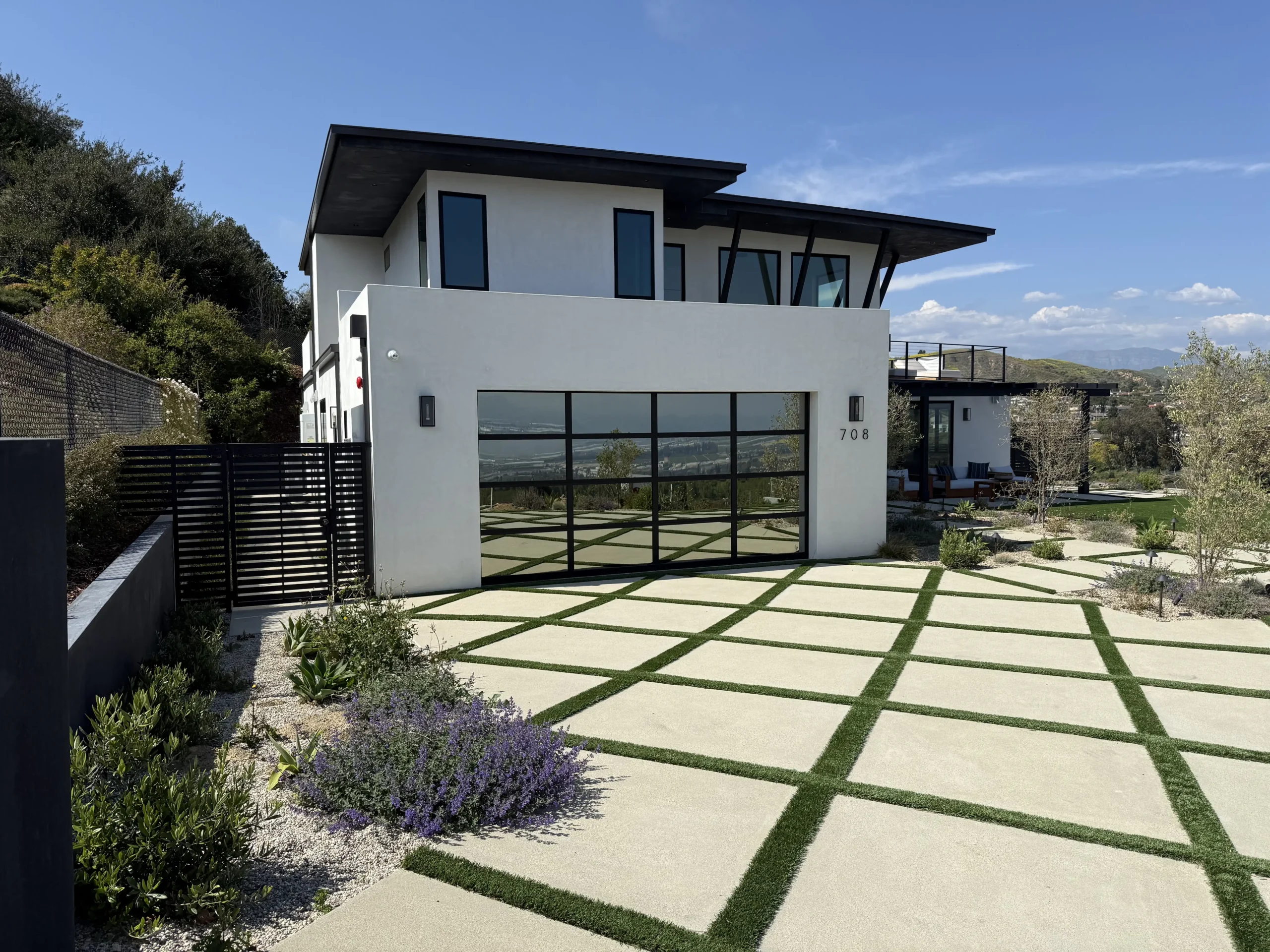
Buying a new construction home in Ventura County is a meaningfully different process from buying a resale property, and the differences matter in ways that cost buyers real money when they are not prepared for them. The builder’s contract is not the standard California Association of Realtors form. The builder’s sales representative works for the builder, not for you. The builder’s preferred lender may offer incentives that come with tradeoffs. And the upgrade decisions made at the design center have a pricing dynamic that is easy to underestimate in the moment.
Edgar Limon is a licensed Realtor and mortgage loan officer serving buyers throughout Ventura County, including buyers considering new construction in the county’s active development communities. This guide covers how the new construction process works, where it differs from a resale purchase, and what buyers need to know to protect their interests through a builder transaction.
Why New Construction Appeals to Ventura County Buyers
New construction has specific appeals that resale properties cannot match. Everything is new. The systems, the roof, the appliances, the finishes, and the mechanical components are all at the beginning of their useful life rather than somewhere in the middle of it. The buyer typically gets some degree of personalization through design center selections. Builder warranties cover defects for a period after closing. And the transaction process, while different from a standard resale, is more predictable in some ways because the condition of the property is known.
In Ventura County, new construction has been concentrated primarily in the inland communities of Camarillo, Moorpark, and Oxnard where land for development has been available. The coastal cities and the Conejo Valley communities have limited new development due to land constraints and, in the case of Ojai and the rural valley communities, explicit community choices to limit growth. Buyers who are specifically seeking new construction will find their options concentrated in specific parts of the county.
How New Construction Differs From a Resale Purchase
The Contract Is the Builder’s Contract
When you buy a resale property in California, the contract is typically the standard California Association of Realtors Residential Purchase Agreement, which is a balanced document developed to protect both parties fairly. When you buy new construction, you sign the builder’s purchase contract, which is a document written by the builder’s attorneys to protect the builder’s interests. The two documents are not equivalent.
Builder contracts often include provisions that limit the buyer’s remedies, give the builder flexibility to change specifications, allow price increases under certain conditions, restrict the buyer’s ability to cancel without forfeiting deposits, and require the use of the builder’s preferred title company or lender. Understanding what you are agreeing to before signing a builder contract requires careful review, and having an agent who has worked with builder contracts review it with you is important.
The Sales Representative Works for the Builder
The on-site sales agent at a new construction community is the builder’s employee or contracted representative. Their loyalty is to the builder, not to you. They are skilled at their job, knowledgeable about the community, and often genuinely helpful, but their role is to sell homes for the builder at the best possible terms for the builder. They are not advising you on how to protect your interests in the transaction.
Bringing your own buyer’s agent to a new construction purchase provides representation that is actually working in your interest. Most builders allow and accept buyer’s agents, and the agent’s commission is typically paid by the builder rather than the buyer. However, it is important to register your agent before your first visit to the community, as most builders have a registration policy that requires agent introduction before the first visit to allow commission payment.
The Timeline Is Determined by the Builder
With a resale property, the close of escrow date is negotiated between buyer and seller. With new construction, the close of escrow date is largely determined by when the home is complete, which is the builder’s timeline. Construction delays are common and buyers who have made plans contingent on a specific completion date, such as a lease ending or a job start date, should build flexibility into their planning. The builder’s estimated completion date is an estimate, not a guarantee.
No Traditional Inspection Contingency Period
New construction contracts typically do not include the standard inspection contingency that resale contracts provide. The builder is selling a new home with a warranty and the contract is structured accordingly. Buyers can and should hire a third-party home inspector to evaluate the property before closing, but the contract mechanism for addressing findings is different from a resale transaction. Understanding how the specific builder contract handles inspection-related concerns before signing is important.
The Appraisal Dynamic Is Different
New construction appraisals can be more challenging than resale appraisals when comparable sales in the new community are limited. Appraisers may need to use resale comparables from nearby areas, which may not fully support the builder’s list price, particularly early in a new development before there are sufficient closed sales within the community to use as comparables. Buyers should understand the appraisal risk before committing to a purchase price that may not be supported by the appraiser’s analysis.
The Builder’s Preferred Lender: Pros and Cons
Most national and regional home builders offer incentives for buyers who use the builder’s preferred lender. These incentives often take the form of closing cost credits, rate buydowns, or upgrade allowances. They can be genuinely valuable and are worth evaluating seriously. They also come with considerations worth understanding.
The builder’s preferred lender has a relationship with the builder that benefits both parties. The lender gets a reliable stream of purchase transactions. The builder gets a lender who understands the community and closing timeline. In some cases this relationship benefits the buyer through the incentive package. In some cases the terms of the preferred lender’s loan, including the base interest rate, fees, and program options, may not be as favorable as what you could obtain elsewhere, making the net benefit of the incentive smaller than it appears.
The right approach is to obtain a competing pre-approval from an independent lender and compare the total cost of both options, including the incentive value and the rate and fee difference, over your anticipated ownership timeline. If the builder’s preferred lender is genuinely competitive when the incentive is factored in, using them makes sense. If the competing lender’s terms produce a better outcome even after accounting for the incentive, the independent lender is the better choice. Incentives that are contingent on using the builder’s preferred lender typically cannot be combined with outside financing.
Design Center Upgrades: What to Know
After signing the purchase contract, most builders invite buyers to a design center appointment where they select finishes, fixtures, flooring, cabinets, countertops, and other options. This is one of the most financially consequential appointments in the new construction process and one that most buyers are not adequately prepared for.
Builder upgrade pricing is typically priced at a premium to what the same items would cost if the buyer purchased and installed them after closing. Some upgrades, such as structural options and things that are difficult to add later, are worth paying the builder’s premium for. Others, such as flooring, paint, and finish-level selections, can often be done after closing at lower cost and with more flexibility. Understanding which upgrades are worth the builder’s price and which are better deferred is one of the most valuable things an experienced agent or advisor can help a new construction buyer with.
There is also a financing consideration. Upgrades added at the design center are typically rolled into the purchase price and therefore into the loan amount, which means they are financed over the life of the mortgage. A $15,000 upgrade package added to a 30-year mortgage costs significantly more in total interest than $15,000 spent on the same upgrades after closing from separate savings. Buyers who are making a deliberate decision to finance upgrades through the purchase price should do so with full awareness of the long-term cost.
Financing a New Construction Home
Most Ventura County new construction homes are purchased with standard mortgage financing, the same conventional, FHA, VA, and jumbo programs that apply to resale purchases. The key financing consideration specific to new construction is the rate lock and loan commitment timeline.
Unlike a resale transaction where the close of escrow date is fixed and the rate lock period can be planned precisely, new construction has variable completion timelines. If the home is expected to complete in four to six months, a standard 30 or 45-day rate lock at the time of purchase agreement is not useful because the lock will expire long before closing. Builders and their preferred lenders often have extended lock programs designed for new construction timelines, sometimes at an additional cost. Independent lenders may or may not offer comparable extended lock programs.
Buyers who are concerned about interest rate movement between signing the purchase agreement and closing on a home that is several months from completion should discuss rate lock options specifically with their lender at the beginning of the process rather than assuming the standard approach will work.
Frequently Asked Questions: New Construction in Ventura County
Do I need my own agent to buy new construction?
You are not required to have your own agent, but it is strongly advisable. The builder’s on-site sales representative works for the builder. Having your own agent means having representation that is working in your interest when reviewing the contract, evaluating upgrade options, monitoring the construction timeline, and addressing any issues that arise before closing. In most new construction communities the builder pays the buyer’s agent commission, so representation typically costs the buyer nothing directly. Register your agent before your first visit to the community as most builders require agent introduction before the initial site visit to allow commission payment.
Should I get a home inspection on a new construction home?
Yes. New construction homes have defects. Framing errors, insulation gaps, plumbing installation issues, and electrical problems are all found regularly in new construction inspections. The fact that the home is new does not mean it is defect-free. Hiring a third-party inspector to evaluate the home before closing, and ideally at multiple stages during construction if possible, provides an independent check on construction quality and identifies issues that can be addressed under the builder’s warranty while the builder is still engaged. The builder’s warranty does not cover everything and issues discovered after closing are addressed on the builder’s terms rather than as pre-closing conditions.
Can I use VA financing to buy new construction in Ventura County?
Yes. VA financing can be used for new construction purchases and the VA benefit’s no-down-payment and no-mortgage-insurance advantages apply equally to new builds. There are specific VA requirements around construction stage inspections and the appraisal process for new construction that differ from a standard resale VA transaction. Some builders are more experienced with VA new construction requirements than others. If you are using VA financing, confirm early in the process that the builder and the community are set up to accommodate VA financing and that the builder understands the VA inspection and appraisal process for new construction.
What happens if the builder delays completion?
Builder delays are common in new construction and most builder contracts allow significant flexibility around completion dates without penalty to the builder. If a delay significantly affects your situation, such as your lease ending before the home is ready, your options depend on the specific contract terms. Most builder contracts do not provide meaningful buyer remedies for construction delays. Understanding the delay provisions in the builder contract before signing is important so you can plan around realistic scenarios rather than optimistic completion estimates.
Are new construction homes cheaper than resale in Ventura County?
Not typically. New construction in Ventura County generally prices at or above comparable resale properties given the cost of land, materials, and labor in California, and the premium buyers are willing to pay for a new home. In some cases the builder’s incentive packages, rate buydowns, or upgrade allowances improve the effective value proposition relative to resale alternatives. In others, buyers find that comparable resale properties offer better value per square foot. The right comparison requires evaluating specific new construction options against specific resale alternatives in the same area rather than making a general assumption in either direction.
Buying New Construction in Ventura County With Confidence
New construction can be a genuinely good option for Ventura County buyers who want a new home, value the builder warranty, and are prepared for the process differences from a resale transaction. The key is approaching it with the same professional preparation you would bring to any significant financial decision: your own representation, an independent financing comparison, a clear understanding of the contract you are signing, and a third-party inspection before closing.
Edgar Limon is a licensed Realtor and mortgage loan officer who works with buyers purchasing both new construction and resale properties throughout Ventura County. Whether you are comparing a builder incentive package against independent financing or evaluating whether a new construction community is the right fit for your budget and priorities, the conversation starts with an honest assessment of your specific situation.