How Much Do I Need to Buy a Home?
The question most buyers actually want answered before they start is simple: how much money do I need? Not in theory, not after reading through ten separate articles about each individual cost. Just the real number, clearly explained, so they know whether buying right now is realistic or whether they need more time to prepare.…

The question most buyers actually want answered before they start is simple: how much money do I need? Not in theory, not after reading through ten separate articles about each individual cost. Just the real number, clearly explained, so they know whether buying right now is realistic or whether they need more time to prepare.
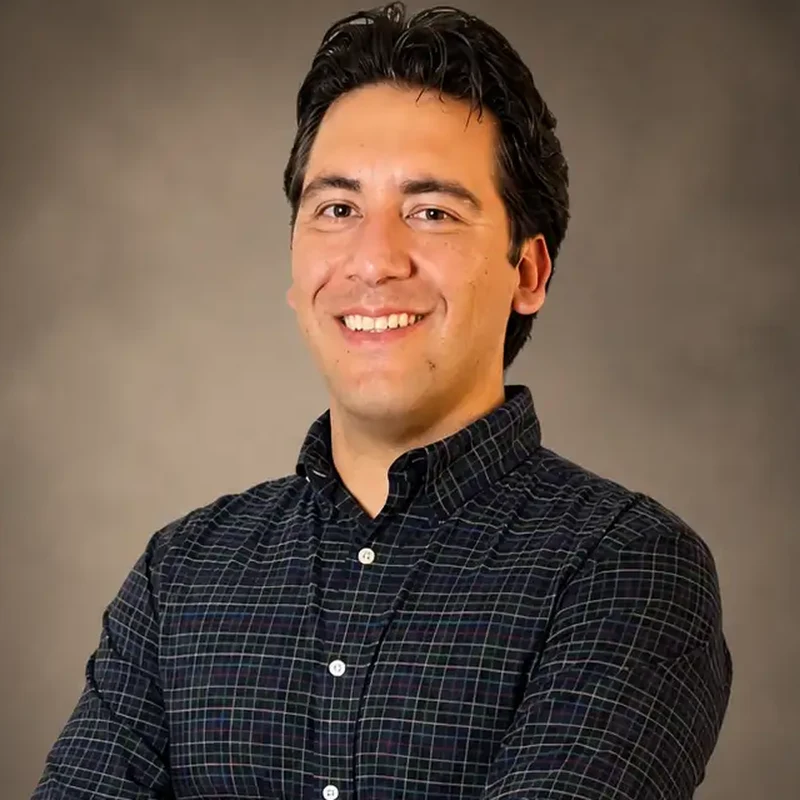
The honest answer is that the number depends on your loan type, the purchase price, and how you structure the transaction. But the framework for calculating it is the same for every buyer, and understanding it clearly is the most practical thing you can do before beginning a home search in Ventura County. Edgar Limon is a licensed Realtor and mortgage loan officer, and this guide reflects how he actually walks through this question with buyers in their first conversation.
The Four Buckets of Cash You Need
The total cash a Ventura County buyer needs to purchase a home falls into four categories. The down payment is the one everyone thinks about. The other three are equally real and are what most buyers underestimate or miss entirely.
- Down payment — The percentage of the purchase price you pay upfront, with the remainder financed through the mortgage
- Closing costs — Lender fees, title and escrow fees, and other transaction costs due at closing
- Prepaid items — Homeowner’s insurance, prepaid interest, and initial property tax impound deposits collected at closing
- Post-closing reserves — Cash remaining in your accounts after closing that lenders verify before funding the loan
All four are real cash requirements. The loan does not fund until all four are satisfied. Buyers who have enough for the down payment but not for closing costs and prepaids discover this problem at the wrong point in the process.
Bucket 1: The Down Payment
The down payment is the portion of the purchase price you pay directly, with the remainder borrowed through the mortgage. The minimum down payment depends on your loan type.
| Loan Type | Minimum Down Payment | On a $600,000 Purchase |
|---|---|---|
| VA (eligible buyers with full entitlement) | 0% | $0 |
| USDA (qualifying properties and buyers) | 0% | $0 |
| FHA | 3.5% | $21,000 |
| Conventional (minimum) | 3% to 5% | $18,000 to $30,000 |
| Conventional (to avoid PMI) | 20% | $120,000 |
| Jumbo (most lenders) | 10% to 20% | $60,000 to $120,000 |
The down payment is the largest single cash requirement for most buyers. CalHFA down payment assistance programs can cover all or part of the down payment for qualifying buyers, which is worth understanding before assuming the minimum down payment has to come entirely from personal savings.
Bucket 2: Closing Costs
Closing costs are the fees charged by the lender, title company, escrow company, and other service providers to complete the transaction. In Ventura County, buyers should plan for closing costs in the range of two to three percent of the purchase price, though the actual amount varies by lender, transaction structure, and whether any seller concessions are negotiated.
The major categories of closing costs include lender origination fees and underwriting fees, the appraisal fee, title insurance (both the lender’s policy and the owner’s policy), escrow fees, recording fees, and any discount points if you choose to buy down the rate. For a complete breakdown of every closing cost line item, visit the Cost of Buying in Ventura County guide.
On a $600,000 purchase, two to three percent in closing costs translates to $12,000 to $18,000. This is real money that is due at closing regardless of which loan type you are using, with the exception of specific items that can be financed or offset through lender credits or seller concessions.
Bucket 3: Prepaid Items
Prepaid items are collected at closing but represent ongoing expenses rather than transaction fees. They include the first year’s homeowner’s insurance premium paid upfront, prepaid interest that accrues from the funding date to the end of the month, and the initial deposits into your impound account for property taxes and insurance if your lender requires one.
The prepaid items total varies based on the time of year you close, the property tax rate, your insurance premium, and your loan amount. As a general estimate, prepaids typically add one to two percent of the purchase price to the total cash requirement, on top of the closing costs. On a $600,000 purchase this is roughly another $6,000 to $12,000.
Bucket 4: Post-Closing Reserves
Reserves are the funds remaining in your verifiable liquid accounts after you have paid the down payment, closing costs, and prepaids. Lenders verify reserves to confirm that closing did not leave you financially depleted. The reserve requirement varies by loan type and lender.
Conventional loans typically require two to six months of the total monthly mortgage payment in reserves. Jumbo loans often require six to twelve months. FHA and VA loans have more flexible reserve requirements, with many cases requiring little to no formal reserve documentation depending on the borrower’s overall profile.
Reserves do not need to be cash in a checking account. Retirement account balances, investment account balances, and other verifiable liquid assets typically count toward the reserve requirement. However, the funds used for the down payment and closing costs cannot also be counted as reserves after closing.
Putting It Together: Real Numbers for Ventura County
The table below shows realistic total cash requirements across different loan types for a buyer purchasing a $600,000 home in Ventura County. These are estimates based on general ranges and your actual numbers will vary based on your specific loan, lender, and transaction.
| Loan Type | Down Payment | Closing Costs + Prepaids (est.) | Estimated Total Cash to Close |
|---|---|---|---|
| VA (0% down) | $0 | $12,000 – $18,000 | $12,000 – $18,000 |
| FHA (3.5% down) | $21,000 | $18,000 – $24,000 | $39,000 – $45,000 |
| Conventional (5% down) | $30,000 | $18,000 – $24,000 | $48,000 – $54,000 |
| Conventional (20% down) | $120,000 | $18,000 – $24,000 | $138,000 – $144,000 |
These figures do not include post-closing reserves, which need to remain in your accounts after closing. Buyers using conventional financing should plan for an additional two to six months of monthly mortgage payments in reserves on top of the figures above.
Ways to Reduce the Cash Requirement
Seller Concessions
In many Ventura County transactions buyers negotiate for the seller to contribute toward closing costs. These seller concessions reduce the cash the buyer needs at closing. The maximum allowed concession depends on the loan type and down payment. This option is most available in slower markets and for properties that have been on the market longer than average. In a competitive multiple-offer situation, asking for seller concessions typically weakens the offer.
Down Payment Assistance
Qualifying buyers can use CalHFA assistance programs to cover the down payment and in some cases closing costs, which can dramatically reduce the upfront cash requirement for eligible buyers. These programs have income limits and purchase price caps and are most applicable in the county’s more accessible markets.
Lender Credits
Accepting a slightly higher interest rate in exchange for a lender credit that offsets closing costs is an option for buyers who are short on cash at closing. This reduces the upfront cash requirement but increases the long-term cost of the loan through the higher rate. It makes the most sense for buyers who plan to sell or refinance within a few years before the higher rate cost accumulates.
Gift Funds
Most loan types allow the down payment to come entirely or partially from gift funds provided by an acceptable donor such as a family member. Gift funds must be documented with a gift letter and paper trail showing the transfer. Buyers planning to use gift funds should discuss the documentation requirements with their lender early in the process.
Frequently Asked Questions
Can I buy a home in Ventura County with no money down?
Yes, through two programs. VA financing offers no down payment for eligible veterans, active duty service members, and surviving spouses with full VA entitlement. USDA rural development financing offers no down payment for qualifying buyers purchasing in designated rural areas, which includes some communities in the eastern parts of Ventura County. Both programs still require closing costs and prepaids at closing, though these can sometimes be offset through seller concessions. Zero down payment does not mean zero cash needed at closing.
How much should I have saved before starting my home search?
A practical starting point for most conventional buyers in Ventura County is having five to ten percent of your target purchase price in liquid savings before beginning a serious search. This covers the minimum down payment, a reasonable estimate of closing costs and prepaids, and a modest reserve buffer. If you are pursuing FHA or using CalHFA assistance, the percentage can be lower depending on how much of the down payment is covered by assistance. If you are targeting the county’s premium markets where jumbo financing applies, the percentage needs to be higher. The most accurate answer for your specific situation is a cash-to-close estimate from a licensed lender based on your actual target price range and loan type.
What is the difference between cash to close and total cash needed?
Cash to close is the specific amount due at the closing table, which includes your down payment minus any earnest money already deposited, closing costs, and prepaids shown on your Closing Disclosure. Total cash needed is a broader concept that also includes the earnest money deposit you make when your offer is accepted (which goes toward cash to close), any inspection fees paid outside of escrow, and the post-closing reserves that need to remain in your accounts after the transaction. Buyers who plan only for the cash to close number sometimes find they have depleted reserves below what the lender requires.
Do I need to show the lender where my down payment came from?
Yes. Lenders are required to document the source of funds used for the down payment and closing costs. This means providing bank statements showing the funds in your account and any large deposits may require a written explanation of their source. Funds that have been in your account for 60 days or more are typically considered seasoned and require less documentation than recent deposits. If you are receiving gift funds, wire transfers from investment accounts, or proceeds from the sale of an asset, each source requires specific documentation that your lender will outline during the application process.
Ready to Know Your Actual Number?
The tables and estimates in this guide give you a framework. Your actual number depends on your purchase price, loan type, lender, and how the transaction is structured. The fastest path to a precise answer is a direct conversation with a licensed mortgage professional who can produce a Loan Estimate based on your specific situation. Edgar Limon is a licensed Realtor and mortgage loan officer who can walk through the full cash picture for your situation and help you understand exactly what you need before the search begins.