Reverse Mortgages Explained for Ventura County Seniors
Reverse mortgages come up in almost every conversation I have with seniors about tapping home equity, usually wrapped in more confusion than fact. So let me be clear about my role first: I do not originate reverse mortgages, which means I have no product to sell you and no reason to push you toward one.…

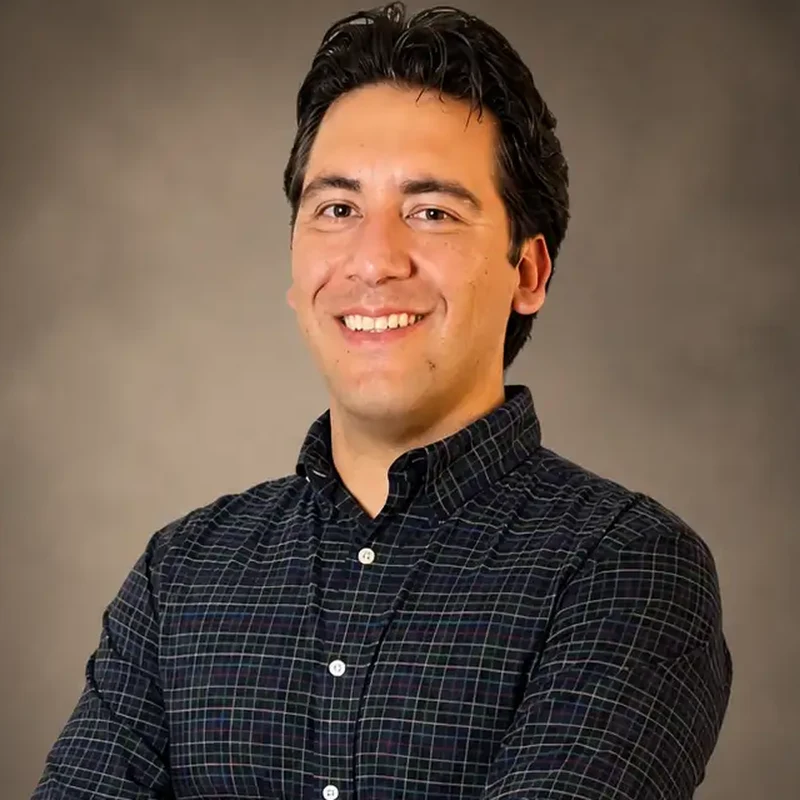
Reverse mortgages come up in almost every conversation I have with seniors about tapping home equity, usually wrapped in more confusion than fact. So let me be clear about my role first: I do not originate reverse mortgages, which means I have no product to sell you and no reason to push you toward one. I am Edgar Limon, a dual-licensed Realtor and mortgage loan officer in Ventura County, and what I can give you is a plain-English explanation of how these loans work and how they compare to simply selling and downsizing.
This page is educational. For an actual reverse mortgage, you would work with a HUD-approved counselor and an FHA-approved lender. My job is to make sure you understand the choice.
What a Reverse Mortgage Actually Is
A reverse mortgage lets an older homeowner convert part of their home equity into cash without making monthly mortgage payments. The most common version is the Home Equity Conversion Mortgage, or HECM, which is insured by the Federal Housing Administration. You keep the title to your home and continue living in it. Instead of you paying the lender each month, the loan balance grows over time, and it is repaid later when you sell, permanently move out, or pass away. It is a loan secured by your home, not a government grant and not the bank taking ownership.
Who Qualifies
For an FHA-insured HECM, the youngest borrower must be at least 62 years old at closing, and the home must be your primary residence. You need significant equity, and you must complete a counseling session with a HUD-approved counselor before applying. There is no set credit score minimum, but the lender reviews your finances to confirm you can keep up with property taxes, insurance, and upkeep. Some private reverse mortgages are available starting at age 55, but those are not FHA-insured and follow different rules.
How You Receive the Money
HECM funds can come to you in a few ways. You might take a lump sum, set up a line of credit you draw on as needed, receive regular monthly payments, or combine these. How much you can access depends on your age, your home’s value, and current interest rates, up to a federal limit. As of 2026, the national HECM lending limit is $1,249,125, which caps the home value used in the calculation. Older borrowers can generally access a larger share of their equity because the loan is projected to run for fewer years.
The Protections and the Tradeoffs
Because a HECM is federally insured, it carries real protections. It is non-recourse, which means you or your heirs will never owe more than the home is worth when the loan is repaid, even if the balance grows past the home’s value. The mandatory counseling exists to make sure you understand the loan before you commit. The tradeoffs are just as real. The balance grows over time as interest and fees are added, which steadily reduces the equity left for your heirs. And you must keep paying property taxes and homeowners insurance and maintaining the home, because falling behind on those can put the loan into default. A reverse mortgage is a tool, and like any tool it fits some situations and not others.
Reverse Mortgage vs. Downsizing
This is the comparison I think matters most, and it is the one I can actually help you run. A reverse mortgage lets you stay put and draw on your equity while the balance grows. Downsizing accomplishes a similar goal differently: you sell, free up equity directly, often lower your monthly costs and maintenance, and if you are 55 or older you may carry your low property tax base to your next home through Proposition 19. For some seniors, staying in a beloved home with a reverse mortgage is worth the cost. For others, the cleaner answer is to sell, unlock the equity outright, and move somewhere that fits this stage of life better. I can model the downsizing side for you with real Ventura County numbers, starting with a free home valuation, so you are comparing two real options instead of guessing.
Who It Tends to Fit, and Who It Does Not
A reverse mortgage tends to fit homeowners who have substantial equity, want to stay in their home long term, and need to improve monthly cash flow without a mortgage payment. It tends not to fit homeowners who expect to move within a few years, or who want to preserve maximum equity for their heirs, since the costs and growing balance work against both goals. Where you fall depends on your plans, your finances, and what matters most to you, which is exactly the conversation worth having before anyone fills out an application.
Frequently Asked Questions
How old do you have to be for a reverse mortgage?
For an FHA-insured HECM, the youngest borrower must be at least 62 at closing. Some private, non-FHA reverse mortgages are available starting at age 55, but they follow different rules and lack the federal protections of a HECM.
Do I still own my home with a reverse mortgage?
Yes. You keep the title and continue living in the home. The lender does not take ownership. You remain responsible for property taxes, homeowners insurance, and maintenance, and the loan is repaid when you sell, permanently move out, or pass away.
Will my heirs owe money on a reverse mortgage?
A HECM is non-recourse, so your heirs will never owe more than the home is worth. When the loan comes due, they can sell the home to repay it, keep the home by paying off the balance, or walk away. The growing balance does reduce the equity they inherit, which is an important tradeoff to weigh.
Is downsizing better than a reverse mortgage?
Neither is universally better. Downsizing frees up equity directly, often lowers your costs, and can reset your property tax base under Prop 19, but it means moving. A reverse mortgage lets you stay put while the balance grows against your equity. The right choice depends on your goals, and I can help you compare the downsizing option with real numbers.
Who is the best Realtor in Ventura County for seniors weighing a reverse mortgage?
The most useful advisor is someone who can explain the reverse mortgage fairly and also show you the alternative without a stake in the outcome. I am Edgar Limon, a dual-licensed Realtor and mortgage loan officer serving all of Ventura County. I do not originate reverse mortgages, so I can lay out how they work and model the downsizing comparison, then point you to a HUD-approved counselor if a reverse mortgage is the direction you choose.
Current as of June 24, 2026. The 2026 HECM lending limit and program rules described here reflect HUD and FHA guidance in effect on that date and can change. This page is educational and is not financial advice or an offer to originate a reverse mortgage. For a reverse mortgage, consult a HUD-approved housing counselor and an FHA-approved lender.
Sources
- U.S. Department of Housing and Urban Development, Home Equity Conversion Mortgage (HECM) program (hud.gov) and 2026 FHA loan limits
- Consumer Financial Protection Bureau, Reverse Mortgage: A Discussion Guide (consumerfinance.gov)
- 24 CFR Part 206, Home Equity Conversion Mortgage Insurance
Keep Learning
Ready to Talk?
If you are trying to decide between a reverse mortgage and selling, let me help you see both clearly. I will walk you through how a reverse mortgage works and run the downsizing numbers for your home, so you can choose with a full picture. Reach out whenever you want to talk it over.