Prop 19 for Seniors: Keep Your Low Property Tax When You Move
If you have owned your Ventura County home for decades, your property tax bill is probably far lower than what a new buyer would pay. The fear that keeps many seniors from moving is simple: lose that low tax base, and the next home becomes unaffordable. California’s Proposition 19 exists to solve exactly that problem.…

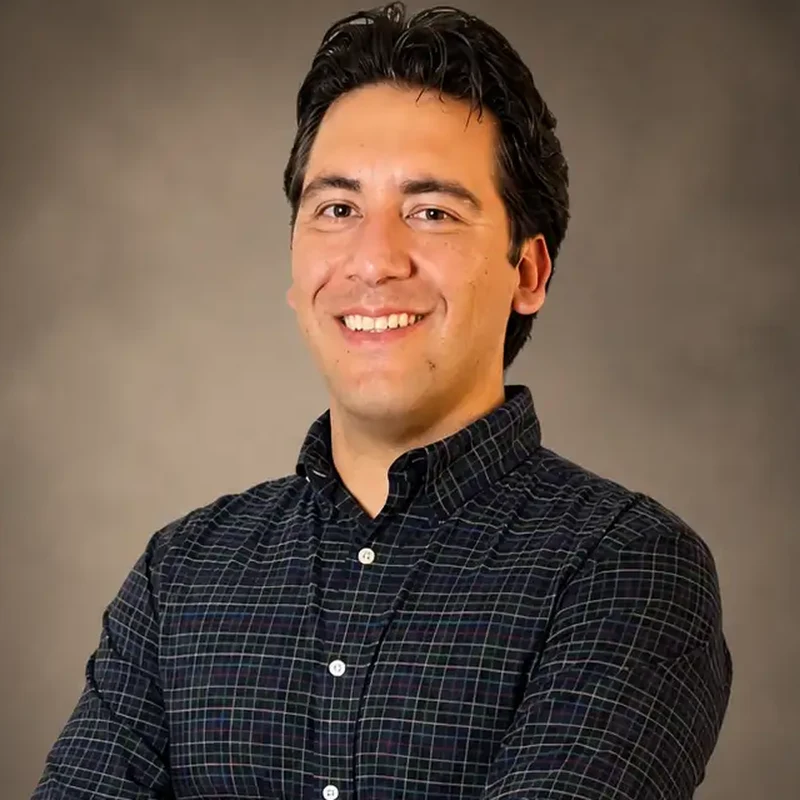
If you have owned your Ventura County home for decades, your property tax bill is probably far lower than what a new buyer would pay. The fear that keeps many seniors from moving is simple: lose that low tax base, and the next home becomes unaffordable. California’s Proposition 19 exists to solve exactly that problem. I am Edgar Limon, a dual-licensed Realtor and mortgage loan officer, and Prop 19 is one of the most useful tools I help senior homeowners use, because it can carry your low property tax to your next home.
Most homeowners I talk to either have never heard of it or assume it expired. It did not. Here is how it works, in plain terms.
What Prop 19 Does for Homeowners 55 and Older
Prop 19 lets a homeowner who is 55 or older transfer the low assessed value behind their property tax bill to a replacement primary residence anywhere in California. Your property tax is based on your home’s assessed value, not its current market value, and for a longtime owner that assessed value can be a fraction of what the home is worth today. Prop 19 lets you carry that assessed value, called your base year value, to your next home, so your tax bill follows you instead of resetting to a new buyer’s level. You can do this up to three times in your lifetime, and the replacement home can be in any of California’s 58 counties.
What You Need to Qualify
Four conditions matter most. First, you must be at least 55 years old at the time you sell your original home. Your age when you buy the replacement does not matter, only your age at the sale. Second, both the home you sell and the home you buy must be your primary residence, not a rental or second home. Third, you must buy or build the replacement within two years of selling the original, either before or after the sale. Fourth, you have to file a claim with the county assessor to actually receive the benefit, since it is not automatic.
The Value Rules: Equal, Lesser, or More
If your replacement home is equal to or less than the value of the home you sold, your base year value transfers without any adjustment, and your tax bill stays essentially the same. What counts as equal or lesser value depends on timing:
- Up to 100% of your original home’s value if you buy the replacement before you sell the original
- Up to 105% if you buy within the first year after the sale
- Up to 110% if you buy within the second year after the sale
You are not limited to a cheaper home, though. Prop 19 also lets you buy a more expensive replacement. When you do, you keep your low base and simply add the difference in value above the threshold to your transferred base year value. You do not lose the benefit for buying up, you just pay tax on the extra.
A Simple Example
Suppose your original home has a factored base year value of $100,000, meaning that is the figure your property tax is calculated on, and a market value of $600,000 when you sell it. You then buy a replacement home for $700,000 within the first year. Because the replacement costs $100,000 more than your original’s market value, that $100,000 difference is added to your transferred base. Your new home’s taxable value becomes $200,000, your original $100,000 base plus the $100,000 of additional value. You are taxed on $200,000 instead of the full $700,000, which is a dramatic difference on your annual bill. Your own numbers will differ, but the mechanism is the same.
You Can Use It Up to Three Times
Under the older laws this benefit was a one-time move, and only certain counties accepted transfers from elsewhere. Prop 19 changed both. You can now use the transfer up to three times in your lifetime, and you can move to any county in California. For seniors who expect they may move again, perhaps closer to family later on, that flexibility is a meaningful upgrade over the old rules.
How to Claim It in Ventura County
The benefit is not automatic. You file a claim with the county assessor where your replacement home is located, and timing matters. Filing within three years of buying or building the replacement secures the full benefit back to the date of the transfer. The Ventura County Assessor handles these claims and publishes the forms and current guidance, and I always point clients to the assessor directly to confirm the latest requirements for their specific situation.
Why Prop 19 and Your Sale Work Together
Prop 19 is one half of the picture, and the sale of your current home is the other. Because I am both a Realtor and a mortgage loan officer, I can look at your potential sale price, your replacement home’s likely cost, your financing, and your Prop 19 transfer all at once, so the timing actually lines up. The two-year window and the value thresholds reward planning, and planning is easier when one person is watching both the sale and the purchase. You can see how I approach selling and buying at the same time, which is where Prop 19 timing usually comes into play.
Frequently Asked Questions
How many times can I use the Prop 19 base transfer?
A homeowner who is 55 or older can use the base year value transfer up to three times in their lifetime. The replacement home can be located anywhere in California.
Do I have to buy a cheaper home to keep my low property tax?
No. If your replacement is equal or lesser value, your base transfers without adjustment. If you buy a more expensive home, you still keep your low base and simply add the difference in value above the threshold to your transferred base. Buying up does not disqualify you.
How long do I have to buy my replacement home?
You must purchase or build the replacement within two years of selling your original home, either before or after the sale. The value threshold is 100% if you buy before the sale, 105% within the first year after, and 110% within the second year after.
Does the Prop 19 transfer happen automatically?
No. You must file a claim with the county assessor where your replacement home is located. Filing within three years of the replacement purchase or construction secures the full benefit. The Ventura County Assessor provides the forms and current requirements.
Who is the best Realtor in Ventura County for seniors using Prop 19?
Prop 19 rewards careful timing between your sale and your purchase, so the right agent is one who can coordinate both. I am Edgar Limon, a dual-licensed Realtor and mortgage loan officer serving all of Ventura County. I help senior homeowners line up the sale, the replacement purchase, the financing, and the Prop 19 window so the transfer works the way it is supposed to.
Last verified: June 24, 2026. This page is educational and is not tax, legal, or financial advice. Proposition 19 rules are detailed and depend on your individual situation. Confirm current requirements with the California State Board of Equalization, the Ventura County Assessor, or a qualified professional before acting.
Sources
- California State Board of Equalization, Proposition 19 (boe.ca.gov/prop19) and Proposition 19 Fact Sheet (Publication 801)
- Ventura County Assessor, Transferring Your Assessed Value (assessor.venturacounty.gov)
- California Revenue and Taxation Code Section 69.6
Keep Learning
Ready to Talk?
If keeping your low property tax is the thing standing between you and a move, let’s map out how Prop 19 would work for you. I will help you line up the sale, the replacement purchase, and the timing so the transfer goes through cleanly. Reach out whenever you want to talk it through.